
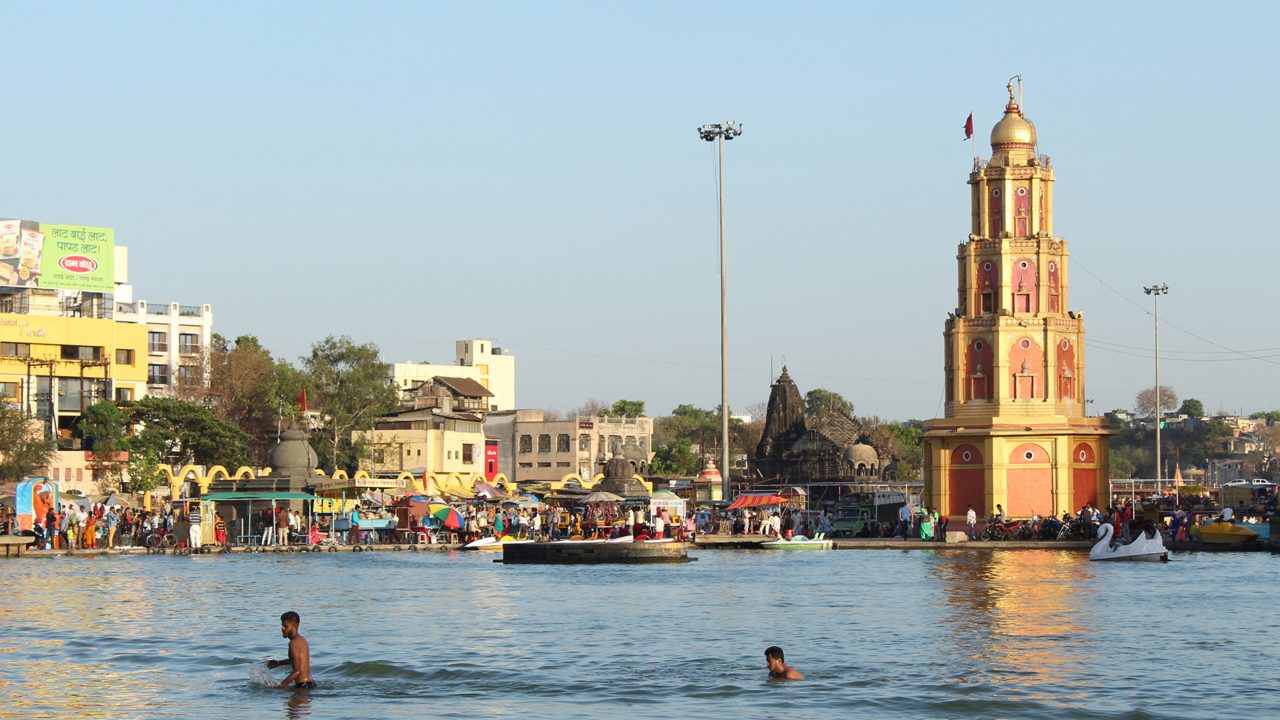
Nashik is a historical, religious, cultural, industrial and agriculturally important city in Maharashtra. Situated on the banks of the Godavari River, this city has a rich heritage of many aspects such as ancient Indian traditions, stories from the Ramayana, Buddhist caves, Satavahana trade, Maratha history, Peshwas, British rule, freedom struggle and modern industrial development.
Below is the history of Nashik city and Nashik district as comprehensively as possible, in simple and humble Marathi language. An attempt has been made to keep the distinction between religious traditions, archaeological evidence, historical records and folk traditions clear.
Important Note: Some of the events in the ancient history of Nashik are based on religious texts and folk traditions. It cannot be said that all those events have been proven by modern historical methods. Therefore, where there is a limitation of evidence, it has been mentioned accordingly.
1. The Nashik area has been inhabited since ancient times; the history of this region is older than written records.
2. According to the tradition in the Ramayana, Shri Ram, Sita and Lakshmana lived in the Panchavati area during their exile.
3. Nashik has acquired the importance of a sacred area since ancient times due to the Godavari River and the religious sites on its banks.
4. From the last centuries BC to the ancient historical period, the Nashik area was associated with trade routes, Buddhism, and the Satavahana dynasty.
5. The Trirashmi Buddhist caves, famous as Pandavaleni, provide information about the ancient religious, social and commercial life of this area.
6. The political and economic importance of this region changed during the reigns of the Satavahanas, Kshatrapas and various subsequent dynasties.
7. During the Middle Ages, the Nashik area developed under the influence of various kingdoms in the Deccan, including the Yadavas.
8. In the following period, the political situation of the region changed due to the conflicts between the Bahmani, Nizamshahi, Mughal and other Deccani powers.
9. During the reign of Chhatrapati Shivaji Maharaj and the subsequent expansion of Maratha power, the Nashik area gained strategic and regional importance.
10. In the 18th century, under the influence of the Peshwas, the administration, religious centers, and trade in the Nashik area developed.
11. During the British rule, developments related to the administrative structure of Nashik district, education, railways, municipal system and the freedom movement took place.
12. After independence, Nashik became an important center for agriculture, grape production, wine industry, defense production, engineering, automobile industry, education, tourism, and religious pilgrimages.